ABOUT

Overview

To ensure compliance with the EU’s Nature Restoration Law and a sustainable restoration process, it is necessary to weigh the positive and negative aspects of dam removal at the pre-project stage. 

Thus, it becomes urgent to address the following question: How can we develop a robust methodology and tools to assess the environmental impacts of dam removal projects, ensuring accurate forecasting of hydromorphological, biochemical, and ecological changes, to maximize positive gains? 

CONNECT project aims to contribute to this critical question by establishing a comprehensive framework to apply to dam removal processes, safeguarding against the failure to achieve biodiversity enhancement goals. 

The research involves a multidisciplinary team with a strong background in river ecology, hydromorphological processes, mathematical skills, and stakeholder engagement methodologies. Through collaborative efforts, CONNECT seeks to advance our understanding and capability to undertake environmentally sound dam removal projects outweighing the positive impacts, thereby enhancing biodiversity.

Goals

The main objectives of CONNECT are:

(1) the development and validation of deterministic tools to forecast the hydromorphological, biochemical and ecological changes that may result from the removal of a dam;

(2)  to set up a novel monitoring strategy based on environmental DNA (eDNA) testing to support devising mitigation interventions and to validate the standard monitoring strategy carried out by water authorities within the framework of the EU Water Framework Directive (WFD);

(3) to raise awareness on the importance of removing dams to enhance biodiversity on local communities, and promoting collaborative integration and coordination among stakeholders.

Tasks

T1

Assessment of the pre-and-post dam removal states of ecological, hydromorphological and biochemical indicators

T2

Deterministic modelling tools for environmental forecasting

T3

Establishing a framework for dam removal

T4

Stakeholders engagement

T5

Project management

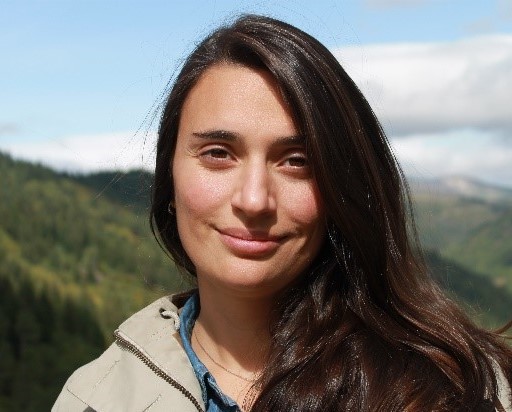
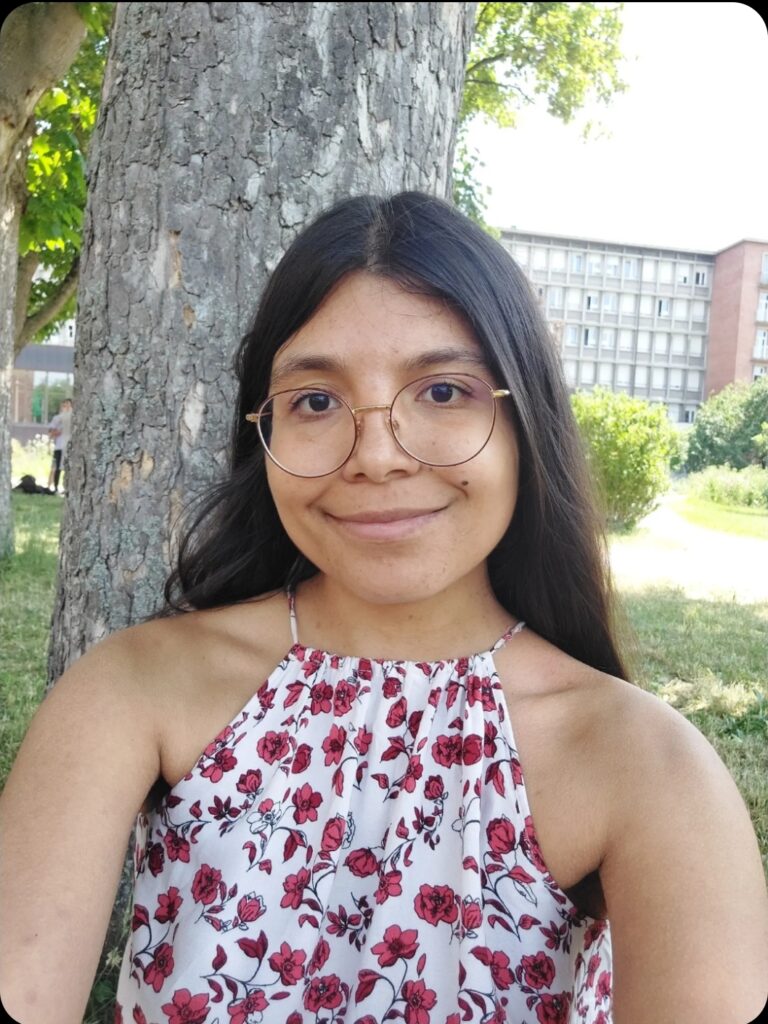
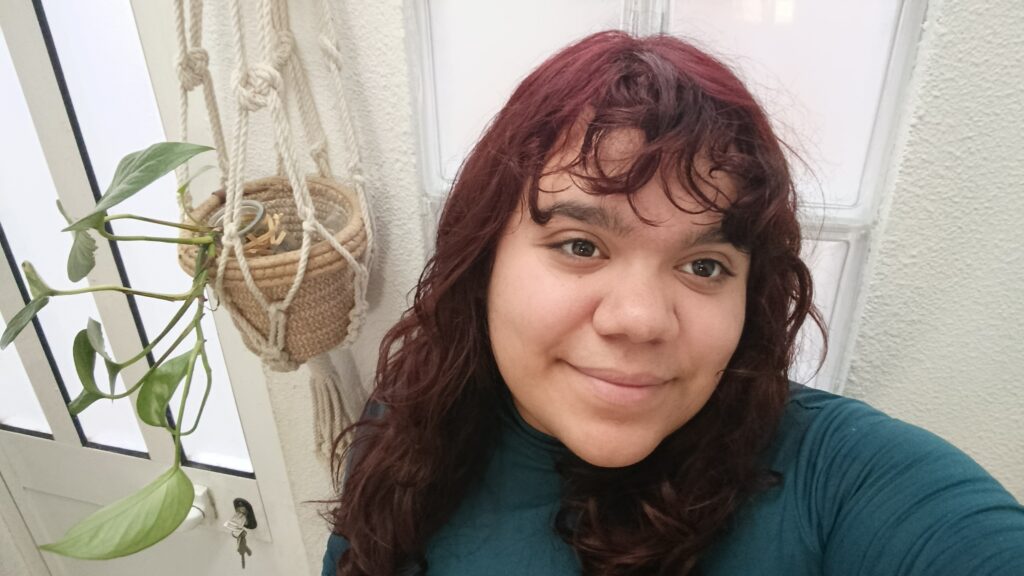
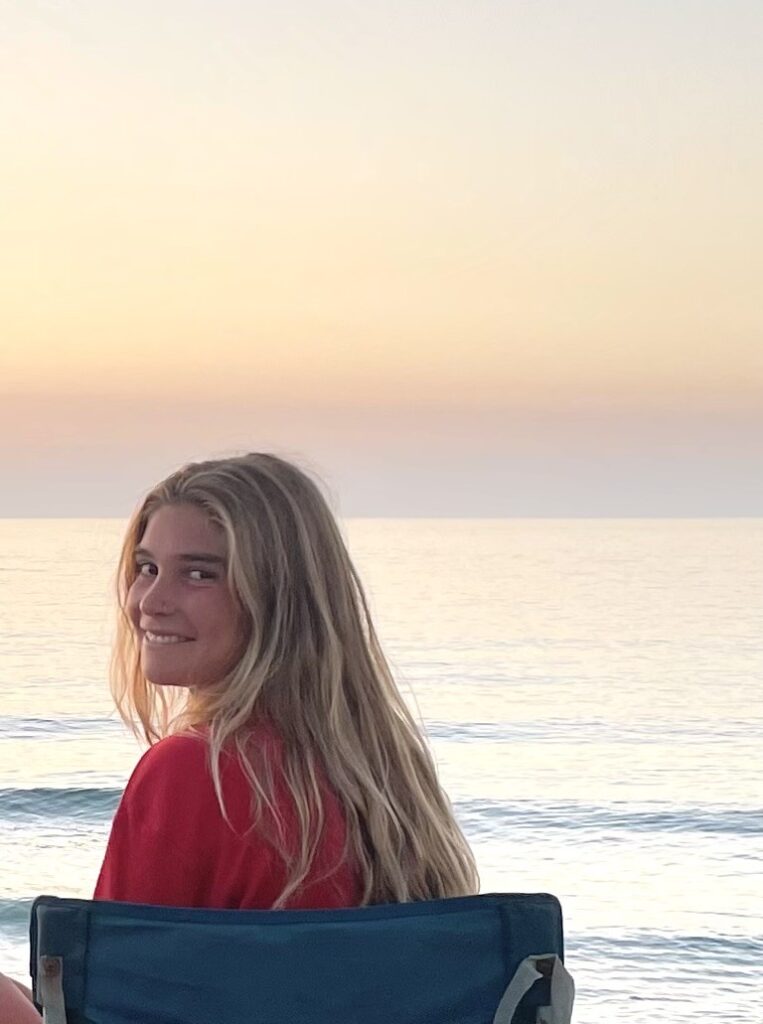
Team members

Isabel Boavida PI
IST, ULisboa

Environmental engineering | Ecohydraulics | Impact assessment 

Filipe Romão
IST, ULisboa

Freshwater biology | Ecohydraulics | Fish migration 

Ana Quaresma
IST, ULisboa

Civil engineering | Ecohydraulics | Numerical modelling 

Rui Ferreira
IST, ULisboa

Civil engineering | Sediment transport | Fluvial hydraulics 

Teresa Alvarez
IST, ULisboa

Civil engineering | Sediment transport | Numerical modelling 

Lígia Vaz Figueiredo
GEOTA Rios Livres

Landscape architecture | Fluvial restoration | Environmental policies 

Catarina Miranda
GEOTA Rios Livres

Freshwater biology | Ecological conservation | Biodiversity 

Regina Falcão
GEOTA Rios Livres

Environmental communication | Public engagement and outreach

Collaborations

Filipe Ribeiro
MARE, FCUL

Invasive species ecology | Freshwater biodiversity | Telemetry

Sofia Nogueira
MARE, FCUL

Freshwater biology | Molecular biology | Environmental DNA

Ana Calapez
MARE, UCoimbra

Macroinvertebrate ecology | Multiple stressors | River biomonitoring

Support

Funding